
A Wake-Up Call for Entrepreneurs
One of the most common struggles for entrepreneurs is stagnation—the point where your business seems to hit an invisible ceiling. You’re putting in the work, and seeing some income, but year after year, the growth you dreamt of just isn’t happening. Often, this happens because the business was built on enthusiasm and opportunity but lacked a critical foundation: a plan.
Why New Entrepreneurs Skip Planning
When many entrepreneurs start their ventures, they’re fueled by passion and the prospect of quick wins. Maybe a customer’s suggestion inspired your next move, or you stumbled across a trend that seemed profitable.
Before you know it, you’ve incorporated multiple ideas into your business model, but there’s no cohesive strategy guiding your actions.
It’s exciting to be adaptable and resourceful, but without a plan, you’re essentially throwing darts in the dark. You’re earning some income, but there’s no clear roadmap to scaling. Worse, you hit a point where:
You feel stuck. The business isn’t growing.
You’re unsure how to scale. You can’t figure out why it’s stagnant.
It feels like work with no reward. You’re busy, but not profitable.
The core issue? Many new entrepreneurs confuse business planning with creating a static business plan document. They assume that because writing a formal document to impress investors is optional, the process of planning is unnecessary.
Business planning is not about drafting a document that collects dust on a shelf. It’s a continuous, actionable process of reflection, strategy, and intentional steps to move your business forward. Unlike a one-time document, effective business planning evolves with your business, providing a roadmap for growth and adaptability.
The Result of Operating Without a Plan
Without planning, your actions might feel productive in the short term, but they rarely lead to sustainable growth. What’s missing is structure:
Direction: A plan gives you clarity on where you’re headed.
Profitability: It defines how to maximize revenue streams.
Growth Potential: It identifies how you’ll expand, diversify, or scale.
Without these, your business becomes reactive rather than proactive. And when you rely on it for income, this lack of foresight becomes a major obstacle to achieving long-term goals.
The Good News - You Can Always Pivot
The beauty of entrepreneurship is its flexibility. If you’re still operational—even if barely—you can pivot and build the plan you didn’t start with. If your business has completely flatlined, there are ways to revive or relaunch it. For example:
If your storefront business closed, consider transitioning to an online model.
If your current service offerings aren’t profitable, you can diversify or repackage them.
The first step? Go back to the drawing board.

Using Data to Craft a Plan
The advantage of being in business—even if it’s stagnant—is that you now have data: real-time or historical data.
Analyze it to uncover:
What’s working? Identify your most profitable products or services.
What’s not working? Pinpoint weaknesses or inefficiencies.
Who is your audience? Refine your understanding of their needs, pain points, and preferences.
Once you’ve reviewed your data, you need to educate yourself and get creative.
Reviving and Growing Your Business
Planning isn’t just for getting started either, planning is also for maintaining, growing and should be part of your annual review process.
Here are key strategies to bring your business back to life and position it for growth:
Diversify Income Streams:
Introduce recurring revenue models like subscription services, memberships, or retainers. This provides a steady cash flow, helping you weather lean months.Leverage Duplicative Efforts:
Consider scaling with a sales team or an affiliate marketing program. Unlike paid advertising, affiliate marketing doesn’t cost upfront; affiliates earn commissions only after sales are made. This gives you an army of promoters without draining your budget.Revisit Your Value Proposition:
Why should customers choose you over competitors? Clarify your unique selling points and ensure they align with your target market’s needs.Experiment with New Approaches:
Test new sales channels (e.g., social media, online marketplaces), repackage existing products, or create bundles.Focus on Organic Growth:
Many entrepreneurs lean too heavily on advertising, which can be costly and often ineffective without a clear understanding of your market. Instead, focus on building relationships, leveraging referrals, and growing organically through community engagement.Simplify and Automate:
Streamline processes with tools and systems that reduce manual work. Automation frees up time to focus on growth-oriented activities.
The Role of a Plan in Moving Forward
Successful businesses evolve by regularly reviewing and refining their approach. Rebuilding your business isn’t just about adding new revenue streams or cutting costs; it’s about crafting a strategy that aligns your resources, strengths, and goals.
Planning helps you:
Set priorities. Focus on what moves the needle.
Track progress. Measure success with clear benchmarks.
Stay agile. Adapt to changes while staying aligned with your goals.
Final Thoughts
Stagnation is a reality for many entrepreneurs, but it’s not the end. The key to breaking free lies in recognizing the importance of planning—not just for starting your business but for sustaining and growing it.
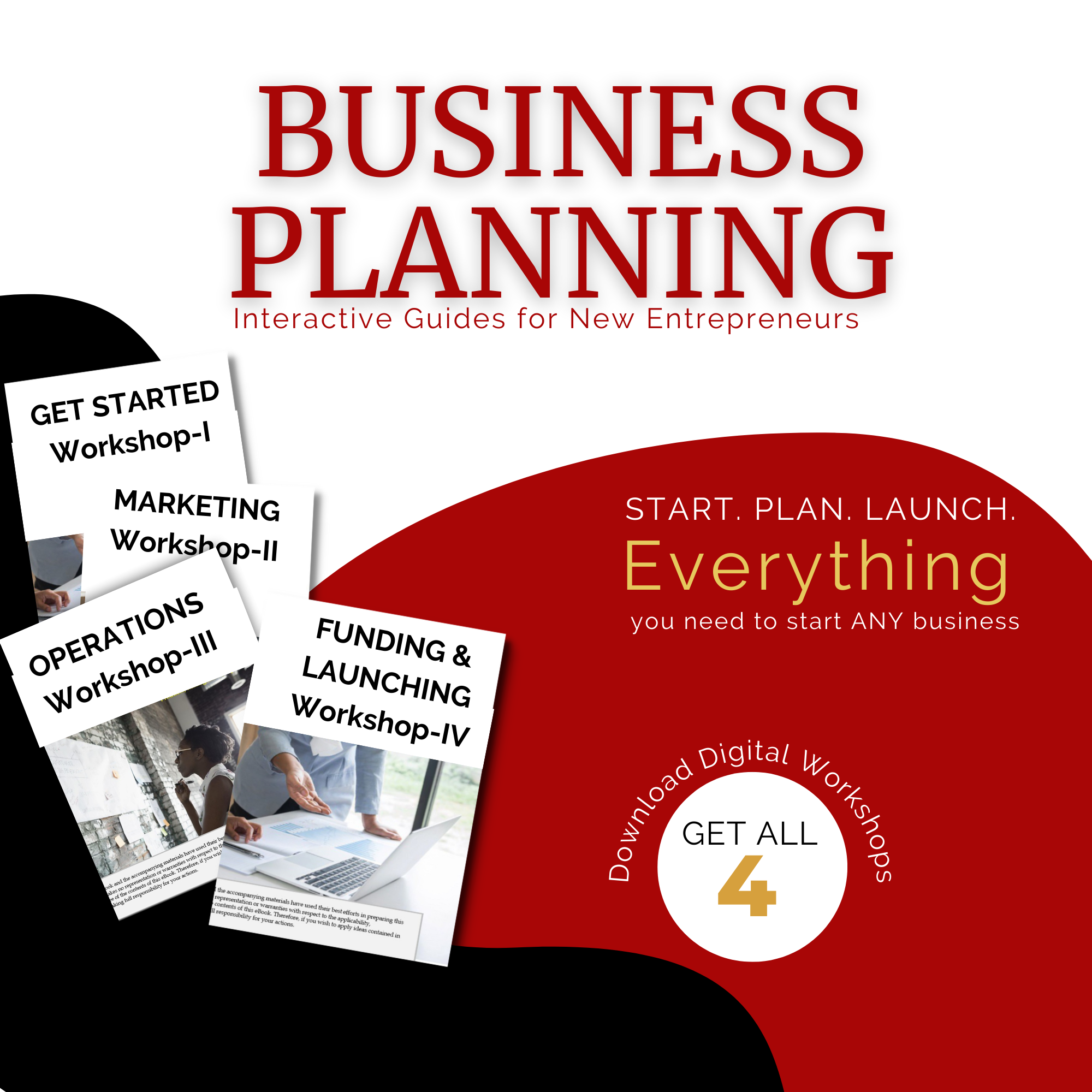
If your business is stuck, take it as a sign to pivot, plan, and push forward. It’s never too late to transform stagnation into success. If you need help developing or revisiting your plan, tools like NOBOSS workshops or our New Business Consulting services can guide you every step of the way.
Remember, entrepreneurship is a journey. The best businesses aren’t built overnight—they’re built on the foundation of a solid plan.
CHECK OUT THIS CONTENT:
