You’ve decided you need to build a team, so how do you create and keep things running smoothly—especially if your team is remote or spread across different locations?
That’s what we’re going to talk about, how to set up and manage a remote team to ensure you maintain productivity and foster a collaborative environment. We don’t want just any team, we want to build an amazing team! Before you begin, think about:
What do you need help with?
What are you willing to delegate?
Here are the key roles to consider:

Numbers Person
This is your accountant or bookkeeper. They’ll manage your money, collect payments, pay bills, record taxes, and produce financial statements.Analytical Person
While not necessarily a lawyer, this person understands complex documents, creates policies, forms, and contracts, and helps reduce legal expenses. They know when to consult a professional if needed.Creative Person
This individual handles creative assets like logos, websites, flyers, social media posts, and lead magnets. These are items you’ll frequently update.Technical Person
Responsible for setting up your tech—computers, printers, emails, VPNs—this person ensures your systems run smoothly.Salesperson
They work closely with you and marketing to communicate your vision, handle sales, and craft messaging strategies.Marketing Manager
While sales focus on closing deals, marketing attracts potential customers. If your budget allows, keep these roles separate. Marketing and sales should collaborate to align campaigns and strategies.
How to Find the Right Candidates
Conduct a Strong Interview Process
Even though they’re freelancers or contractors, you’re assessing their skills, availability, and fit for your business. Look for candidates who are committed to freelancing long-term and can grow with your business.Respect Boundaries
Contractors are not employees. Hire them for their expertise and don’t assign unrelated tasks. For example, don’t ask your marketer to pick up your kids from school!Clearly Define Roles
Avoid hiring one person to do everything. Specialization matters. For example, don’t expect a virtual assistant to manage finances, handle marketing, and answer customer calls. Instead, hire multiple specialists as needed.
Setting Up for Success
Choose the Right Tools
Use communication and project management tools that integrate seamlessly with your team’s workflows. These tools keep finances, marketing, logistics, and other areas connected. They don’t need to be expensive—just effective.
Trello, Asana, or ClickUp: For project management and task tracking.
Google Workspace or Microsoft 365: For seamless document collaboration and communication.
QuickBooks , Sage, Xero, Wave: For finance management.
Zapier: For automating workflows and connecting different tools.
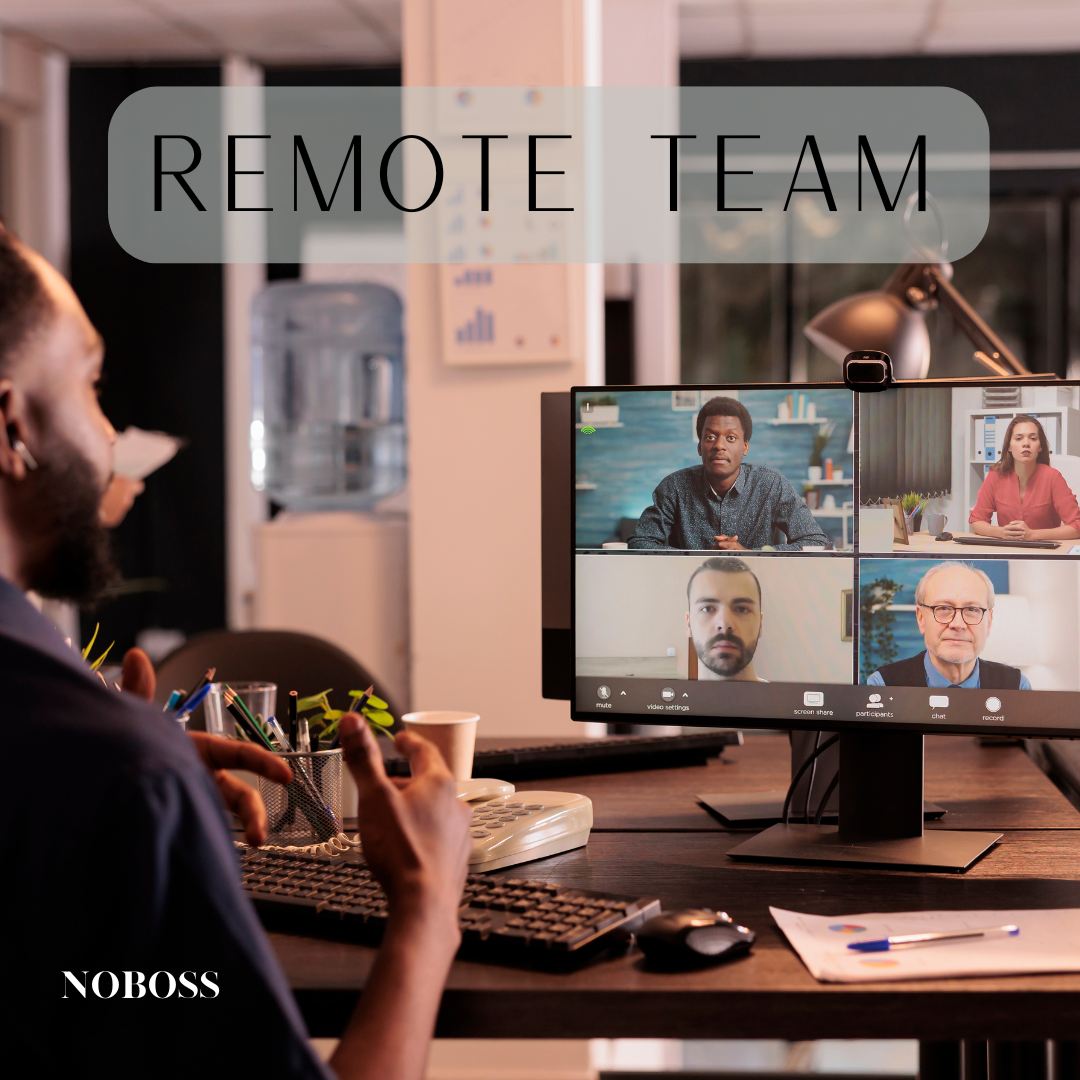
Foster Open Communication
Appreciate your team’s expertise and be open to their ideas. Use tools like Slack to share updates, brainstorm ideas, and keep everyone aligned. Always be available to answer questions and clarify issues.
Slack: For instant messaging, brainstorming, and team updates.
Microsoft Teams: For a combination of video calls, file sharing, and chat.
Zoom or Google Meet: For video conferencing and team meetings.
Miro: For collaborative brainstorming sessions using virtual whiteboards.
Share Your Vision
Make sure your team understands your short-term, long-term, and big-picture goals. Aligning their work with your overarching vision ensures they’re not creating content or strategies that miss the mark.
Notion: To create a centralized space for goals, roadmaps, and vision documents.
Monday.com: For visually aligning team activities with overarching goals.
Loom: To share quick video updates explaining the vision or strategies.
MURAL: To visually map out goals and strategies in a collaborative way.
Each of these tools is effective, affordable, and can streamline the way your team works toward shared objectives.
Managing and Evaluating Your Team
Stay Connected
Even if you’re delegating tasks, stay in the loop. Regular check-ins ensure projects are progressing as planned and align with your business goals.Evaluate Results
Especially for measurable tasks like marketing campaigns, review the outcomes to assess effectiveness and make necessary adjustments.
Final Thoughts
Building and managing a remote team isn’t just about hiring skilled professionals—it’s about creating a system where everyone works cohesively toward a shared vision.
By clearly defining roles, respecting boundaries, and fostering open communication, you can build a team that not only supports your business but helps it thrive.
Remember, success comes from the collective effort of specialists who bring their best to the table. Equip your team with the right tools, provide guidance when needed, and always keep the big picture in focus. With the right people and processes in place, your business can soar to new heights—no matter where you or your team are in the world.