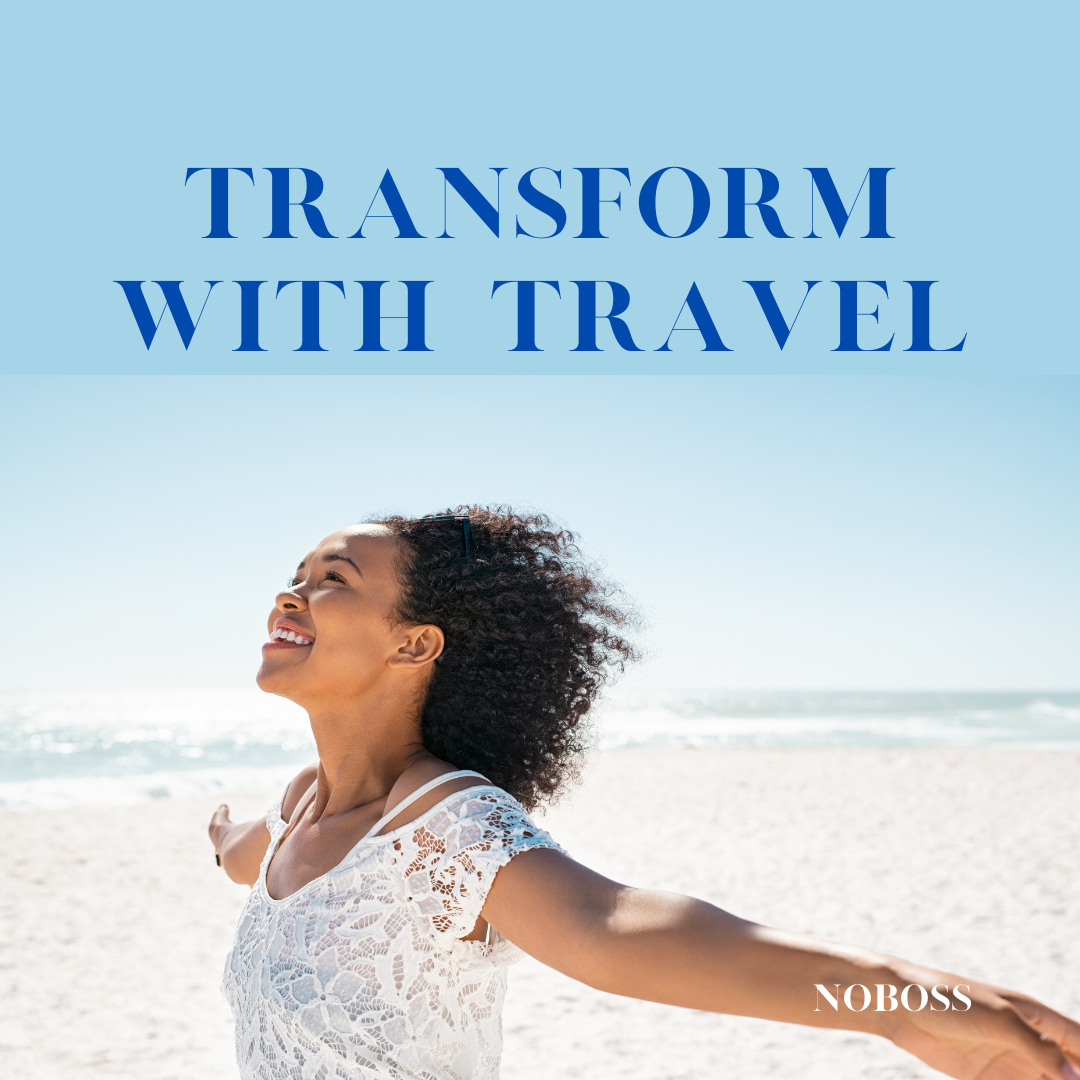
Fueling a Global Black Experience
In a world that is more interconnected than ever, travel can be a transformative force, especially for Black Americans who may still feel the weight of historical oppression in the United States. The American Dream promised a good job, homeownership, and a safe community to raise our children. Yet, for many, this dream has been elusive, clouded by a legacy of systemic barriers and inequality.
The internet ushered in new ideas and perspectives, dispelling myths and unveiling truths about ourselves as well as our global neighbors. With knowledge easily accessible and information often manipulated, being “woke” to the truth has quickly evolved to rival “awake.” This comes from the realization that nothing has truly changed, and promises were simply bait-and-switch tactics to create the illusion of progress. To be “woke” and still believe in the American Dream is to remain asleep to reality. Ugh…
What if the American Dream Wasn’t Meant for You?
This is a question I began asking myself when I started traveling in 2021 and became a digital nomad. As I immersed myself in new cultures and had transformative experiences, I began to see the world in a different light. My travels made me reflect on my own personal growth and, in turn, prompted me to look at the realities of my home country from a fresh perspective. I realized that the concept of the American Dream had never truly been inclusive, and it led me to question whether it was ever truly meant for me.
The Truth:
To truly understand the "American Dream," we need to look at its roots. When the idea was first popularized in 1931, it was framed around a vision of prosperity and success that was almost exclusively accessible to white Americans, particularly white men. Policies like the Homestead Act (1862) gave land to predominantly white settlers, while Native Americans were forcibly removed from their land, and Black Americans faced the horrors of Jim Crow laws and segregation. These legal and systemic structures made sure that the American Dream wasn’t for everyone.

In fact, Black Americans—especially in the South—were still being denied basic rights and opportunities well into the 20th century. Education, homeownership, fair wages, and the ability to build wealth were all denied or severely restricted. Even as the country progressed, these barriers were rebuilt in new forms—such as redlining in housing and discriminatory practices in employment and banking—making it nearly impossible for many marginalized groups to participate in the so-called American Dream fully.
Some will argue that these issues have been overcome, pointing to the rise of Black Americans who are now multi-millionaires and even billionaires. They claim that opportunities are available to all. But those of us in the know are well aware that a glass ceiling still exists. There is always someone holding the power. It's like a game of Jenga—one wrong move, and your empire could crumble. Even at the pinnacle of wealth, there’s a constant reminder that someone else is writing your paycheck.
Transformative Opportunities
In the midst of frustration, disappointment, and stress, Black Americans are waking up and becoming brilliantly optimistic, realizing that the American Dream is “whatever you make it,” even if it’s not achieved “in America.”
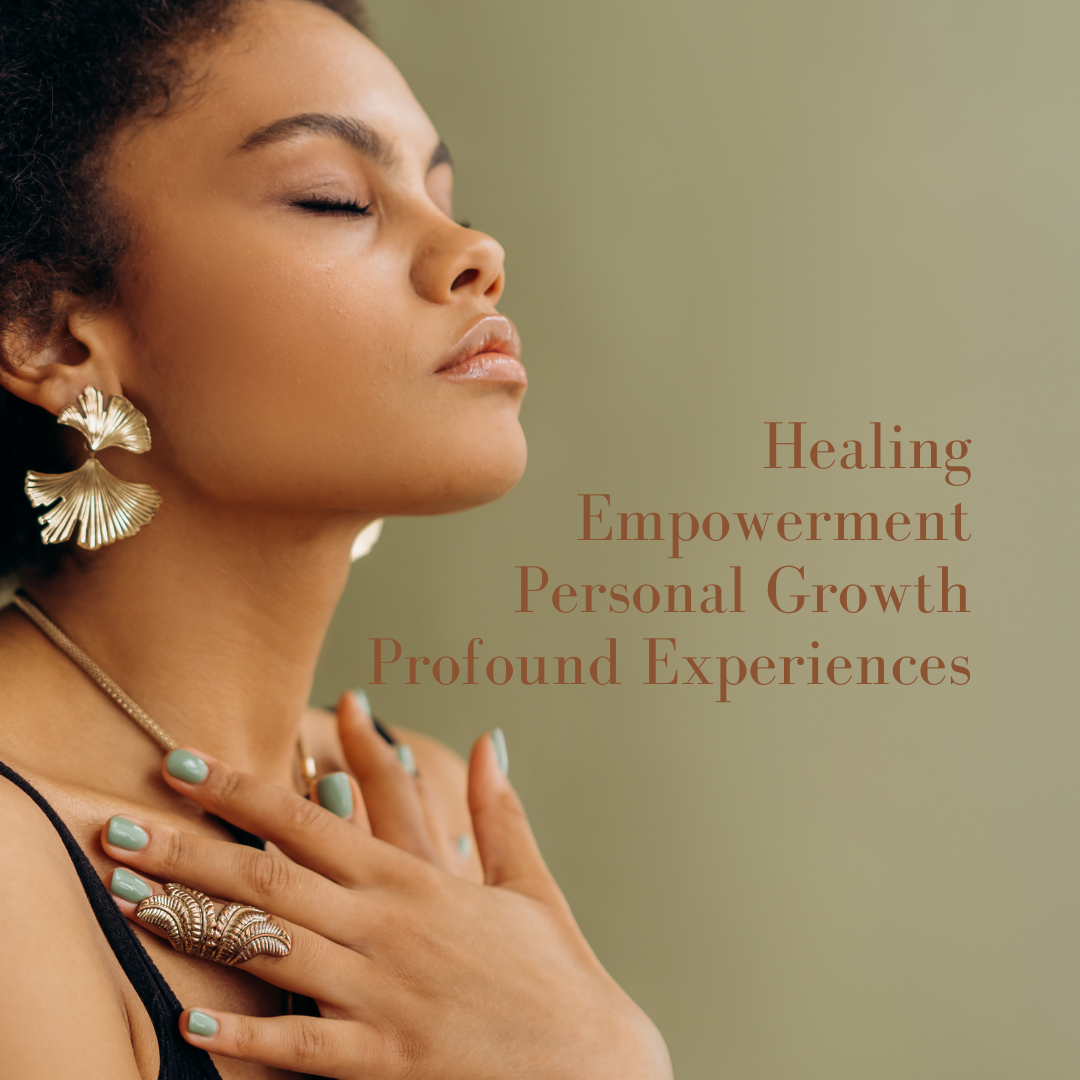
While the digital nomad lifestyle is not new, for Black Americans it appears that beyond the borders may lie a vast canvas of cultures, perspectives, and opportunities that can contribute to the much-needed healing, empowerment, and a profound sense of freedom we desire.
A Shift in Perspective - Traveling exposes individuals to diverse cultures, challenging preconceived notions and fostering a broader worldview. For Black Americans, this means moving beyond the often-limiting narratives of their own country to embrace a global perspective that celebrates the richness of humanity.
Cultural Empowerment - Visiting countries with strong and resilient Black cultures can be particularly empowering. Exploring the history, art, and traditions of places like Ghana, Senegal, or Brazil can instill a sense of pride and connection to a global heritage that extends far beyond the boundaries of the United States.
Breaking Stereotypes - Black travelers can actively challenge stereotypes and misconceptions simply by being present in spaces where people may not have interacted with individuals of African descent before. This kind of personal diplomacy can contribute to breaking down racial prejudices and fostering understanding.
Educational Liberation - Travel offers a unique form of education that goes beyond textbooks. Black travelers can immerse themselves and their children in the history of other nations, learning about the struggles and triumphs of people who faced different forms of oppression. This comparative understanding can be a powerful tool for reflection and growth.
Networking and Solidarity - Connecting with the global Black diaspora fosters a sense of solidarity and shared experience. Building relationships with individuals who have faced similar struggles but triumphed in different contexts can provide inspiration and a sense of community.
Reclaiming Spaces - Many historical and cultural sites around the world provide opportunities for Black travelers to reclaim narratives and stories. From exploring the roots of the African diaspora to engaging with the history of resistance against oppression, travel becomes a way to rewrite personal and collective histories.
Personal Empowerment - Traveling requires navigating unfamiliar environments, making decisions on the fly, and adapting to new cultures. For Black Americans who may have felt restricted or oppressed in their home country, the experience of successfully navigating the world independently can be profoundly empowering.
Cultural Healing and Wellness - Visiting spaces known for their tranquility and healing, such as Varanasi, India, Assisi, Italy, or many areas throughout Thailand, can contribute to mental and emotional well-being. Engaging in wellness practices rooted in different cultures can provide a holistic approach to healing.
A Personal Journey
World travel for Black Americans is not just about seeing new places; it’s about breaking chains, reclaiming narratives, personal growth, and finding empowerment in a global context. It is a journey towards personal and collective liberation, offering new perspectives, opportunities, and a profound sense of belonging in a world that is waiting to be explored.
Check out these resources: